When many people think about addiction treatment, detox is often the first thing that comes to mind. Detoxification is an important first step in recovery, but it is only one piece of a much larger process. Lasting recovery requires far more than removing substances from the body.
That is why rehab centers provide comprehensive programs designed to address the physical, emotional, and psychological aspects of addiction—not just the withdrawal phase.
Understanding the full scope of care offered by rehab centers can help individuals and families make informed decisions about treatment and long-term healing.
Detox Is Only the Beginning
Detox helps individuals safely manage withdrawal symptoms as drugs or alcohol leave their system. Depending on the substance and severity of use, withdrawal can range from uncomfortable to dangerous. Medical supervision during detox ensures safety and stabilizes the individual physically.
However, detox alone does not treat the root causes of addiction. Once substances are cleared from the body, cravings, emotional triggers, and behavioral patterns often remain. Without continued treatment, relapse risk is high.
This is where rehab centers play a critical role. They move beyond detox to provide structured, therapeutic support that helps individuals understand and overcome the underlying drivers of addiction.
Addressing the Root Causes of Addiction
Addiction rarely exists in isolation. Many individuals struggle with trauma, anxiety, depression, unresolved grief, or chronic stress. Comprehensive rehab centers offer therapy programs that help uncover and address these deeper issues.
Individual counseling allows clients to work with licensed therapists to explore personal experiences and develop coping strategies. Evidence-based approaches such as cognitive behavioral therapy (CBT) and trauma-informed care help individuals identify harmful thought patterns and replace them with healthier responses.
By treating co-occurring mental health conditions alongside substance use disorders, rehab centers provide a more complete path to recovery. Addressing both conditions at the same time significantly improves long-term outcomes and reduces the likelihood of relapse.
Building Healthy Coping Skills
Detox may remove physical dependence, but it does not teach someone how to cope with stress, conflict, or emotional pain. Rehab centers focus heavily on skill-building to prepare clients for real-world challenges.
Clients participate in group therapy sessions, workshops, and educational classes that teach:
-
Stress management techniques
-
Communication skills
-
Relapse prevention strategies
-
Emotional regulation tools
-
Healthy lifestyle habits
These skills empower individuals to navigate triggers and cravings without turning to substances. Over time, these new habits replace destructive behaviors and create healthier daily routines.
The Power of Community and Peer Support
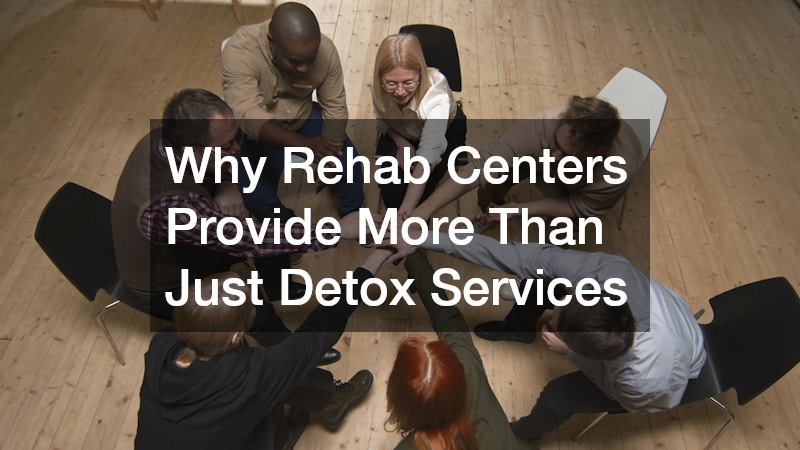
Addiction can be isolating. Many individuals experience shame, guilt, or disconnection from others. In structured treatment settings, rehab centers create a supportive community where clients realize they are not alone.
Group therapy provides a safe space to share experiences, gain perspective, and receive encouragement from peers facing similar struggles. This sense of connection builds accountability and reduces isolation—both essential components of long-term recovery.
For many individuals, the relationships formed during treatment become a valuable source of support even after the program ends, reinforcing the importance of community in sustained sobriety.
Structured Environments for Stability
Recovery often requires stepping away from environments that may enable substance use. Rehab centers offer structured daily routines that promote stability and focus.
Schedules typically include therapy sessions, wellness activities, meals, and reflection time. This structure helps individuals develop consistency and healthy habits, especially if addiction has created chaos in their lives.
A stable setting also limits exposure to triggers during the early stages of recovery, allowing individuals to focus fully on healing and personal growth.
Holistic and Wellness-Based Approaches
Modern rehab centers recognize that recovery involves the whole person—mind and body. In addition to clinical therapies, many programs incorporate wellness services such as yoga, fitness, nutritional counseling, and mindfulness practices.
These activities support overall well-being and help individuals reconnect with themselves in healthy ways. Strengthening physical health and emotional awareness enhances resilience, improves mood, and supports deeper healing throughout the recovery journey.
Family Involvement and Aftercare Support
Addiction impacts loved ones as well as the individual. Many rehab centers include family therapy and educational programs to improve communication and rebuild trust. When families better understand addiction, they can become stronger sources of support and accountability.
Just as importantly, recovery does not end when treatment concludes. Before discharge, rehab centers develop personalized aftercare plans that may include outpatient therapy, sober living arrangements, alumni programs, or support groups. Continued care helps individuals maintain progress and handle challenges after returning to daily life.
More Than Detox—A Foundation for Lasting Change
Detox addresses the immediate physical effects of substance use, but it does not resolve the emotional and behavioral components of addiction. Sustainable recovery requires therapy, skill development, community support, and ongoing guidance.
That is why rehab centers provide far more than detox services. They offer a structured, therapeutic environment where individuals can heal, rebuild their lives, restore relationships, and create a strong foundation for long-term sobriety and personal growth.

admin
Related Posts



Life with Loved Ones Copyright © All Rights Reserved | Sitemap