
Raising healthy kids in today’s fast paced world can feel overwhelming. Between busy school schedules, screen time, social commitments, and convenience foods, it takes intention to build lasting routines. The good news is that forming strong diet and exercise habits does not require perfection. It requires consistency, encouragement, and a family approach.
Healthy habits established in childhood often carry into adulthood. When children learn to enjoy movement, understand balanced nutrition, and develop a positive relationship with food and their bodies, they gain tools that support lifelong wellness. As a parent, you are their most powerful role model.
Below are ten practical ways to help your children build sustainable, healthy habits in a way that feels empowering instead of restrictive.
1. Model the Behaviors You Want to See

Children watch far more than they listen. If you want your child to eat vegetables, drink water, and stay active, start by demonstrating those behaviors yourself. Sit down for family meals whenever possible and avoid multitasking during that time. Show enthusiasm for trying new foods, even if they are unfamiliar to you. When kids see you being open minded and curious, they are more likely to follow your lead. Prioritize daily movement by scheduling it into your routine just like any other important commitment.
Instead of framing exercise as a chore, talk about how it helps you feel strong, energized, or less stressed after a long day. Share specific examples, such as having more patience or sleeping better when you stay active. Let your kids see you stretching in the morning, walking after dinner, lifting weights in the garage, or attending martial arts classes. Invite them to join you occasionally so they feel included rather than instructed. When physical activity becomes a normal and enjoyable part of family life, kids begin to view it as something adults choose to do because they value it, not because they have to.
It is also important to be mindful of how you talk about your own body. Avoid negative self talk or comments about dieting. Instead of labeling foods as good or bad, discuss how different foods fuel the body in different ways. Explain that protein helps muscles grow, carbohydrates provide energy, and healthy fats support brain function. When children grow up around balanced attitudes toward food and fitness, they are more likely to develop healthy self perceptions and long term habits rooted in confidence rather than pressure.
2. Make Movement Fun, Not Forced
Children are naturally active. The key is channeling that energy into enjoyable activities rather than structured pressure. Instead of pushing a sport they dislike, offer options and let them explore.
Some children thrive in team sports. Others prefer individual activities like swimming, dance, biking, or martial arts classes. The goal is consistent movement that feels fun, not competitive stress.
You can also incorporate activity into daily routines. Family walks after dinner, weekend hikes, backyard games, or dance parties in the living room all count. When exercise is framed as play, children associate movement with joy rather than obligation.
Encourage proper gear, including supportive athletic shoes that fit well and feel comfortable. When kids feel physically supported, they are more confident and more likely to stay active.
3. Create a Balanced Kitchen Environment
Healthy eating begins at home. Stocking your kitchen with nutrient dense options makes good choices easier and more automatic for everyone in the family. Keep fruits visible on the counter in a large bowl so they are the first thing your child sees when they walk into the kitchen. Prepare cut vegetables in the refrigerator at eye level, paired with hummus or yogurt based dips to make them more appealing. Offer whole grains and lean proteins regularly so balanced meals become the norm rather than the exception. When healthier options are convenient and ready to eat, children are far more likely to reach for them without being prompted.
This does not mean eliminating treats entirely. Instead, teach balance in a calm and practical way. When sweets are not forbidden, they lose their power and mystery. You can explain that dessert is something we enjoy occasionally, not something we need every day. By normalizing moderation, children learn to enjoy treats without guilt and without feeling the urge to overindulge when given the chance. This approach helps prevent an unhealthy cycle of restriction and binge behavior later in life.
Get your kids involved in meal planning and preparation so they feel a sense of ownership over what they eat. Let them choose a vegetable to try each week or pick a healthy recipe for the family to cook together. Invite them to help stir, measure, season, and even plate the food. Teach them basic kitchen skills as they grow, such as safely chopping soft fruits or reading simple nutrition labels. When children participate in cooking, they are more likely to eat what they help create and develop confidence around food.
Consider fun and creative ways to boost nutrition without making it feel forced. Blend smoothies with spinach, frozen berries, and Greek yogurt for a naturally sweet option packed with nutrients. Add wholesale fruit powder to yogurt, oatmeal, or homemade energy bites for added flavor and vitamins. Small additions like these can make healthy foods more appealing while increasing nutrient intake. Over time, these simple strategies help build a home environment where nutritious choices feel normal, satisfying, and sustainable.
4. Prioritize Consistent Family Meals
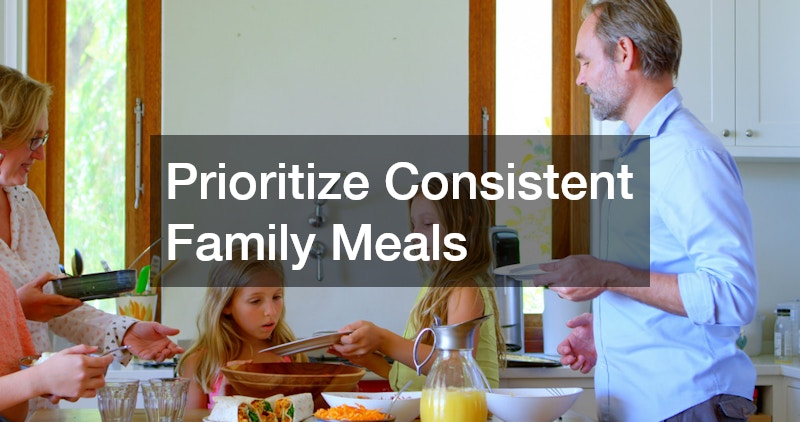
Family meals create structure and connection. Sitting down together helps children develop mindful eating habits and strengthens communication.
Aim for at least a few shared meals per week. Keep distractions like phones and television off the table. Encourage conversation about everyone’s day. Mealtime should feel relaxed, not rushed.
If evenings are hectic, consider alternative options like a healthy breakfast together or a weekend outing to one of your favorite brunch places. Sharing meals outside the home can also be an opportunity to model balanced choices and portion awareness.
When children see their parents enjoying salads, lean proteins, and vegetables, they learn by example. Over time, these experiences shape their preferences and expectations around food.
5. Teach Smart Snacking
Snacks can either support energy levels or lead to sugar crashes. Teach your children to pair carbohydrates with protein or healthy fats. For example, apple slices with peanut butter or yogurt with berries provide longer lasting fuel.
Keep ready to eat options accessible. Pre portion nuts, cut fruit, or whole grain crackers so kids can make independent choices. Empowering them to choose wisely builds confidence and responsibility.
It can also be helpful to discuss how certain foods make them feel. Do they feel energized after a balanced snack or sluggish after a sugary treat? Encouraging awareness helps children listen to their bodies.
When kids attend parties, sports events, or fundraisers such as a fatboy fundraiser, teach them that enjoying a treat is perfectly fine. The goal is not restriction but understanding balance across the week.
6. Encourage Outdoor Play and Real World Activity
Screens are part of modern life, but outdoor play remains essential for growing bodies and minds. Fresh air, sunshine, and unstructured play support both physical and mental health by improving mood, boosting vitamin D levels, and encouraging natural movement. Time outside also gives children a break from constant stimulation, allowing their creativity and imagination to flourish. When kids have space to run, explore, and invent their own games, they develop problem solving skills along with physical strength.
Set reasonable screen time limits and clearly communicate expectations so children understand boundaries. Rather than simply taking devices away, offer appealing alternatives that feel exciting and engaging. Organize neighborhood games, plan family bike rides after dinner, or schedule regular trips to local parks and nature trails. Even small daily routines, such as walking the dog together, can make a meaningful difference. If you have the space at home, simple upgrades like residential driveway paving can create a smooth, safe area for basketball, roller skating, scooter rides, or chalk art. A dedicated space for activity makes it easier for kids to step outside and start moving without much preparation.
Encourage activities that build coordination and confidence in a relaxed way. Jump rope, hopscotch, obstacle courses, tag, and relay races are simple but powerful options that require little equipment. You can rotate activities to keep things fresh and invite friends or siblings to join for added fun. Allow children to take the lead sometimes by creating their own backyard challenges or timing their own races. This builds independence and a sense of accomplishment.
Children who associate movement with creativity, laughter, and freedom are more likely to remain active as they grow. The more positive memories they form around outdoor activity, the more natural exercise becomes. Over time, these experiences shape a lifelong appreciation for fresh air, exploration, and an active lifestyle.
7. Teach Kids Where Food Comes From

Understanding the source of food fosters appreciation and healthier choices. Visit farmers markets. Grow herbs or vegetables in your backyard. Talk about how food travels from farm to table.
A trip to a local butcher can be an educational experience. Discuss the importance of quality protein, portion sizes, and cooking methods. When children understand that food is more than something that appears in a package, they develop a deeper connection to nutrition.
Encourage curiosity. Ask them to identify colors on their plate or explain what nutrients different foods provide. Education builds empowerment.
You can even explore different cuisines together. Trying dishes like poke introduces new flavors, textures, and healthy ingredients such as fresh fish and vegetables. Exposure broadens palates and reduces picky eating over time.
8. Build Confidence Through Structured Activities
Extracurricular activities help children develop discipline, teamwork, and self esteem. Sports, dance, swimming, and martial arts classes offer both physical and emotional benefits.
The structure of scheduled practices creates routine. Kids learn commitment and goal setting. Physical progress boosts confidence. Whether they are earning a new belt or mastering a new skill, the sense of achievement reinforces positive habits.
Avoid over scheduling. Choose one or two activities that your child genuinely enjoys. Burnout can undermine enthusiasm for exercise.
Celebrate effort rather than outcome. Praise their consistency, improvement, and teamwork rather than wins or scores. This builds intrinsic motivation, which is more sustainable long term.
9. Connect Health to Personal Interests
Children are more motivated when healthy habits align with their passions. If your child collects sports cards and admires professional athletes, discuss how those athletes train, fuel their bodies, and prioritize rest.
Explain how balanced meals and hydration support performance. Relating nutrition to something they already care about makes the lesson more meaningful.
For kids interested in appearance or skincare trends, conversations about self care can also include discussions about hydration, sleep, and balanced nutrition. Even topics like hydrafacials can become opportunities to explain that glowing skin starts from within through proper diet and water intake.
The key is meeting your child where they are. When health connects to identity and goals, it becomes personal rather than imposed.
10. Focus on Long Term Mindset Over Perfection

Perhaps the most important lesson you can teach is that health is a journey. There will be busy weeks, holiday indulgences, and occasional skipped workouts. That is normal.
Avoid harsh criticism or food shaming. Instead, encourage reflection and gentle course correction. If the family has been eating out frequently, plan a week of home cooked meals. If activity levels have dropped, schedule a family hike.
Reinforce that bodies need nourishment, rest, and movement. Talk about strength, energy, and resilience rather than weight or appearance.
Create routines that feel sustainable. Consistent bedtimes, regular meals, daily outdoor play, and shared family time all contribute to overall wellness. Healthy habits are built through repetition, not extremes.
Helping your children form good diet and exercise habits is less about strict rules and more about creating a supportive environment. Model balance. Offer choices. Encourage exploration. Celebrate effort.
Make movement enjoyable through activities like biking, swimming, or martial arts classes. Keep nutritious foods accessible and appealing. Use everyday moments, whether at brunch places, a local butcher shop, or a community event like a fatboy fundraiser, as teaching opportunities rather than battles.
Over time, small consistent actions compound into lifelong habits. Your encouragement, patience, and example matter more than any single meal or workout.
Healthy kids are not raised through pressure or perfection. They are raised through connection, consistency, and care. By fostering a positive relationship with food and movement today, you are giving your children a foundation that will support them for decades to come.