Becoming a homeowner is one of the most rewarding milestones in life, providing a place to call your own, build equity, and craft a comfortable sanctuary for your family. However, along with the pride of ownership comes the continuous responsibility of ongoing upkeep. While most people are diligent about obvious chores like mowing the lawn, clearing out the gutters every autumn, or replacing furnace filters when seasons change, there are dozens of vital tasks that quietly fall through the cracks. These overlooked areas often involve systems that run silently in the background, out of sight and out of mind, until something suddenly breaks down.
By breaking down these hidden maintenance requirements into manageable steps, you can create a reliable defense system for your living space. From inspecting subtle structural elements to keeping essential home systems running at peak performance, staying on top of these tasks will give you true peace of mind. Let us take a deep dive into the simple, often-forgotten maintenance steps every property owner should master to ensure their home stays safe, efficient, and comfortable for many years to come.
1. Safeguarding Your Lower-Level Comfort
The subterranean areas of your home are constantly subjected to heavy pressure from surrounding soil, shifting weather conditions, and rising groundwater levels. Water naturally follows the path of least resistance, and even the smallest hair-line fracture in your foundation can eventually allow moisture to seep inside. Over time, unchecked dampness leads to structural decay, compromised indoor air quality, and the rapid growth of hazardous mold. Simply ignoring the lower level of your home because it’s mainly used for storage can result in massive structural issues down the road.
Checking the interior perimeter for damp spots, efflorescence, or lingering musty smells is a crucial habit to form every spring and autumn. You should also take a close look at the exterior drainage around your home to ensure that soil slopes away from the foundation properly. If you discover persistent moisture problems, damp walls, or standing water after heavy rainfall, it’s time to consult a professional specializing in basement waterproofing to resolve the issue before severe structural damage occurs. Taking swift action protects your entire property from long-term foundation distress.
2. Maintaining Flow Beneath Your Property
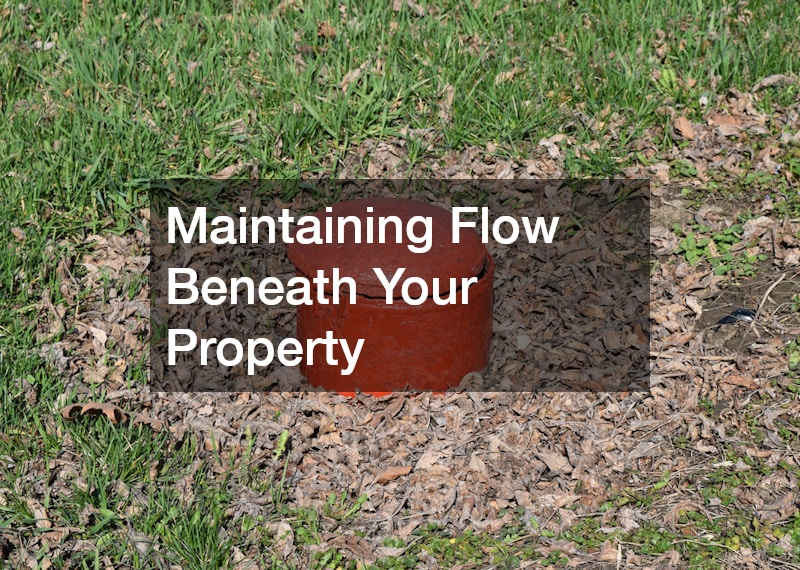
Waste management systems located underground perform critical daily work, yet they’re rarely thought about until a major backup occurs. Soil settlement, invasive tree roots, and heavy organic buildup can gradually restrict the flow of wastewater leaving your residence. Furthermore, flushing improper items down toilets or pouring cooking fats down kitchen drains creates massive blockages that place extreme pressure on underground pipes.
Regularly monitoring your drain speed and watching for unusual bubbling in sinks can help you catch blockages before they turn into messy overflows. It’s essential to practice smart waste disposal habits and avoid treating drains like trash cans. If your property relies on an independent waste tank rather than a municipal main, scheduling a routine pump-out and inspection of your septic system every three to five years is critical for preventing costly system failures and environmental hazards.
3. Maximizing Efficiency in Thermal Comfort
Your heating and cooling systems work tirelessly throughout the year to maintain comfortable indoor temperatures regardless of extreme outdoor weather. While most homeowners remember to swap out cheap fiberglass air filters every few months, broader system components are often completely ignored. Dust, animal dander, and airborne debris can accumulate rapidly on internal coils, blower fans, and supply ducts, forcing the equipment to work much harder than necessary.
Ignoring this mechanical accumulation leads to soaring monthly energy bills, uneven room heating, and premature mechanical breakdowns. To keep your climate control units operating smoothly and efficiently, you should clean the outdoor condenser unit regularly, clear away surrounding vegetation, and keep all interior supply vents unobstructed. Arranging an annual tune-up with a licensed HVAC contractor ensures that electrical connections, refrigerant levels, and heat exchangers are thoroughly evaluated before extreme weather sets in.
4. Preserving Interior Plumbing Health
High levels of dissolved minerals like calcium and magnesium in municipal or well water can cause serious damage to household plumbing networks. These minerals gradually form hard scale inside pipe walls, showerheads, water heaters, and home appliances. Over time, scale buildup drastically restricts water flow, reduces heating efficiency, and causes premature failure in expensive units like dishwashers and clothes washers.
To protect your home from the destructive effects of hard water, you must monitor the condition of your supply lines and fixture aerators regularly. Soaking clogged aerators in vinegar can quickly dissolve stubborn mineral crusts. If you already have hard water management equipment installed in your home, remember to refill the salt reservoir consistently and flush the resin bed as recommended. Keeping your water softener system properly maintained ensures your pipes remain clear and your water-using appliances last as long as possible.
5. Protecting Hard Outdoor Surfaces

Paved exterior surfaces like driveways, walkways, and patios are exposed to harsh weather conditions every single day. Direct sunlight, heavy vehicle loads, and freezing winter rain can cause small cracks to expand rapidly over time. Water settles into tiny surface fissures, freezes during cold nights, and expands, popping open larger sections of the surface and leading to dangerous tripping hazards and costly replacement needs.
Preventing structural deterioration requires routine cleaning and prompt crack repair. Sweeping away organic debris, removing oil stains, and applying high-quality sealant every few years creates a strong protective barrier against moisture penetration. If you notice severe sinking, large structural cracks, or crumbling edges across your driveway, reaching out to local paving companies for professional restoration can prevent total surface destruction and save you substantial money in the long run.
6. Preventing Unexpected Ground-Level Flooding
Storms, rapid snowmelt, and high groundwater tables pose a constant threat to homes with subterranean levels. Mechanical pumping devices installed in low-lying pits serve as the main line of defense against catastrophic interior flooding. However, because these critical safety devices sit quietly in dark pits, homeowners rarely think to check if they’re actually working until a massive rainstorm strikes.
A float switch can easily get stuck against the pit wall, debris can clog the intake screen, or the primary motor can burn out without any warning signs. Testing your backup flood prevention equipment at least twice a year by pouring a bucket of water directly into the basin ensures the mechanism engages smoothly. If the pump fails to activate, makes strange grinding noises, or runs continuously without moving water, arranging for immediate sump pump repair will keep your lower level completely safe from devastating storm water.
7. Elevating Water Heating Efficiency
The unit responsible for delivering hot water to your showers, sinks, and laundry machines works continuously day and night. Over time, naturally occurring mineral sediment settles at the bottom of the tank, creating an insulating layer between the burner and the water. This buildup forces the unit to work significantly harder, leading to noisy operation, skyrocketing utility bills, and accelerated metal corrosion that can cause sudden tank ruptures.
To prevent premature failure, you should flush a few gallons of water from the tank drain valve every six months to remove accumulated sediment. Additionally, checking the temperature and pressure relief valve ensures the safety mechanisms are fully functional. If your current unit is over ten years old, showing signs of severe rust, or failing to supply adequate heat, scheduling a professional hot water heater install will restore your home energy efficiency and prevent sudden flooding disasters.
8. Managing Property Renovations and Heavy Waste
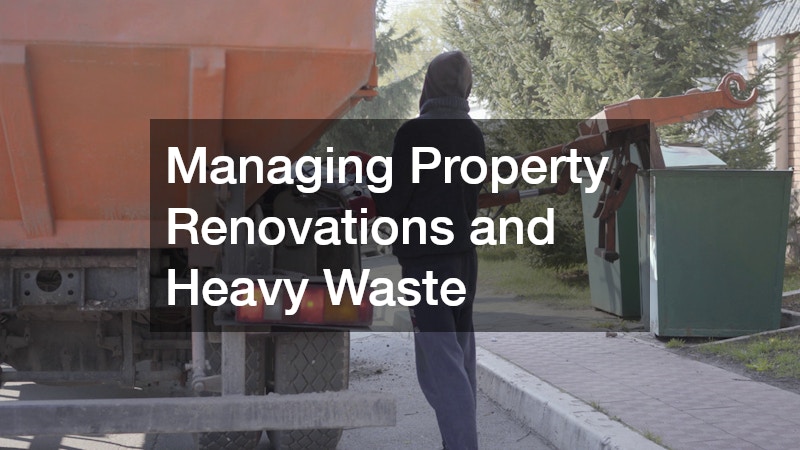
When undertaking large home maintenance projects, roof replacements, or major landscaping overhauls, managing the resulting debris is a critical step that many people overlook. Piling old building materials, rotten wood, or heavy yard waste near your home creates major safety hazards, attracts destructive pests like termites and rodents, and can even damage surrounding lawn areas.
Executing a successful property upgrade requires a clear plan for disposing of heavy materials safely and efficiently. Leaving heavy debris sitting in your yard for weeks can lead to municipal fines and severe safety risks for your family. Securing professional dumpster rental services allows you to toss out accumulated junk, old building materials, and heavy debris in one organized container, keeping your workspace clean and your home renovation completely stress-free.
9. Caring for Flat Structural Masonry
Exterior flatwork made from solid masonry provides sturdy, beautiful surfaces for patios, steps, walkways, and foundations. However, ground movement, soil erosion, and severe weather cycles can cause these heavy slabs to settle unevenly, shift out of alignment, or crack. Uneven slabs create serious tripping hazards and allow rainwater to flow directly toward your home foundation instead of draining safely away.
Inspecting your outdoor walkways and structural pads regularly allows you to identify minor surface damage before it worsens. Sealing expansion joints and filling top cracks stops water from seeping underneath the heavy slabs, which reduces the risk of frost heaving during cold months. For major leveling needs, cracked steps, or sunken patio slabs, working with an experienced concrete contractor ensures that your flatwork is restored safely and anchored properly for long-term durability.
10. Routine Household Observation Protocols
Developing a general observation mindset is one of the most effective ways to protect your property investment without spending thousands of dollars on preventable repairs. Walking around your property once every season with a notepad allows you to spot small problems while they’re still cheap and simple to fix. Pay close attention to roof shingles, window caulking, siding integrity, and interior water lines under sinks.
Many minor issues, such as a slow faucet drip, a loose door latch, or a missing roof shingle, take less than an hour to repair if caught early. Taking photos of potential problem areas allows you to track changes over time and share clear information with professionals when expert help is required. Keeping an organized binder or digital log of all completed repairs, replacement dates, and maintenance schedules ensures that no essential task ever slips through the cracks again.
11. Addressing Hidden Internal Leaks
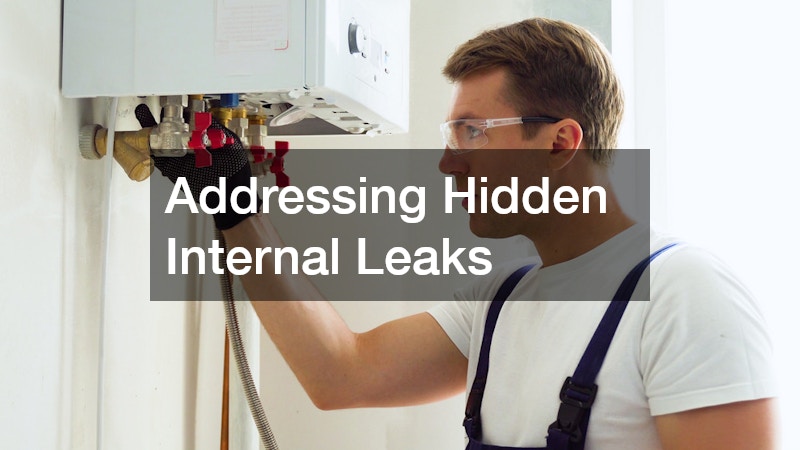
Water is one of the most destructive forces a house can face, and hidden plumbing leaks are particularly dangerous because they can go unnoticed for months. A tiny pinhole leak inside a wall cavity or under a floorboard can quietly rot structural timber, destroy insulation, and ruin drywall long before dampness appears on the surface. An unexplained spike in your monthly water bill is often the very first sign of a hidden leak.
To check for hidden water loss, turn off all taps inside and outside your house, then check your main water meter. If the meter dial continues to move while no water is actively running, you likely have an undetected leak somewhere in your network. Attempting complex pipe repairs yourself can lead to major line breaks, so contacting a trusted local plumbing company is the best way to locate hidden leaks quickly and repair them safely before severe structural rot sets in.
Maintaining a home is a continuous journey that requires consistent attention, organized planning, and a willingness to handle small tasks before they turn into major structural issues. The most critical maintenance duties are often the ones that are easiest to overlook because they involve hidden systems, subterranean structures, and silent mechanical units. By shifting your mindset from reactive emergency repairs to proactive routine maintenance, you can save thousands of dollars, protect your family health, and preserve your property value for many decades to come.
Furthermore, knowing when to handle a simple chore yourself and when to call in qualified professional services is a fundamental part of responsible property ownership. While sweeping debris, replacing air filters, and checking water meters are easy tasks for any DIY enthusiast, complex mechanical overhauls, deep foundation repairs, and line installations should always be left to experienced specialists. Building strong relationships with reliable trade professionals ensures that your major household systems receive expert care whenever advanced tools or specialized skills are required.
Ultimately, your home is likely the largest financial investment you’ll ever make, and treating it with regular care is the best way to secure your financial future. Establishing an organized maintenance habit gives you total control over your living environment, eliminating the stress and surprise of sudden equipment failures during extreme weather. By implementing the simple strategies outlined in this guide, you can enjoy complete peace of mind, knowing that your house is fully protected, operating at peak efficiency, and ready to remain a safe, comfortable haven for you and your loved ones for generations to come.