We have all heard the warning from a parent or grandparent: “Don’t go out in the rain, or you’ll catch a cold!” Maybe you’ve even said it to your own kids as they tried to run outside to splash in a puddle. It is one of those classic “old wives’ tales” that seems to make perfect sense. After all, people do seem to get the sniffles more often when the weather is gloomy and wet.
But if you look at the science, the answer isn’t as simple as a raindrop hitting your head. Rain itself is just water. It doesn’t carry cold or flu viruses. However, the conditions that come along with a rainstorm—like dropping temperatures, damp clothes, and staying stuck indoors—can definitely play a role in how your family feels.
In this guide, we are going to explore the truth about rain and your health. We will look at why we feel under the weather after a storm, how to stay dry and safe, and the best ways to keep your family’s immune system strong when the clouds roll in. By the end of this article, you will know exactly how to handle a rainy day without ending up with a box of tissues.
1. The Big Myth: Water vs. Viruses
First, let’s clear up the biggest mystery: Rain does not contain germs. You cannot get a viral infection just by getting wet. Whether it’s a drizzle or a downpour, the water falling from the sky is generally clean and harmless to your immune system.
So, why do people get sick after being caught in the rain? It usually comes down to “secondary factors.” When you get soaked, your body temperature can drop quickly. This puts a physical stress on your body. When your body is busy trying to stay warm, it might have a slightly harder time fighting off the viruses that are already around you in the air or on surfaces.
2. The Temperature Drop and the “Nasal Shield”
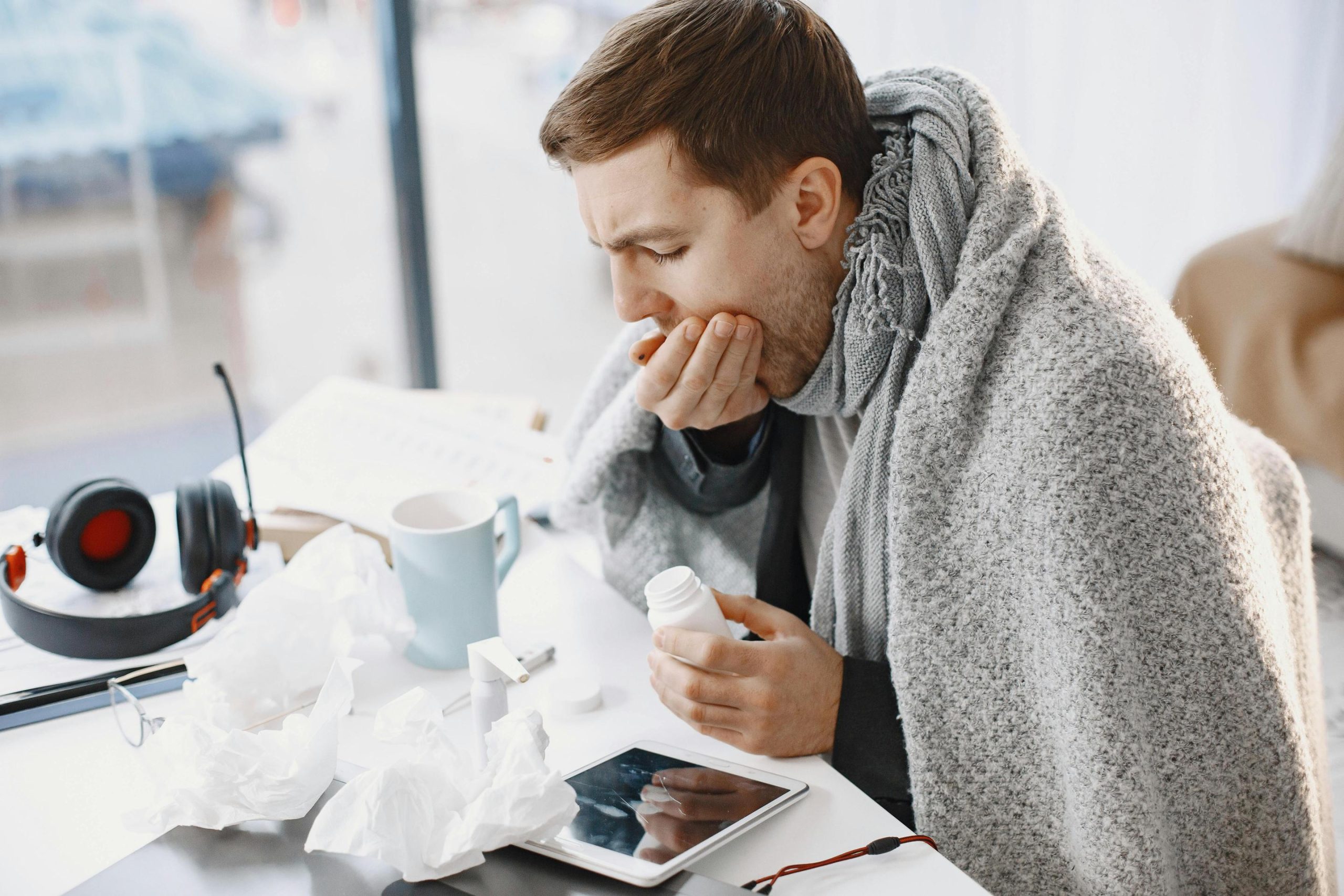
Rain usually brings a “cold front” with it. This leads to a common question: does cold weather make you sick? As we know, cold air doesn’t have germs in it either, but it does change how your body works.
When you get wet and chilled, the blood vessels in your nose and throat tend to tighten up (constrict). This is your body’s way of trying to save heat. However, those blood vessels also carry your “warrior” white blood cells. When the vessels are tight, fewer white blood cells reach your nose to stop germs from entering your system. If you already had a tiny amount of a virus in your nose, getting chilled in the rain might give that virus the “opening” it needs to start an infection.
3. Humidity and Viral Survival
Rainy days are high-humidity days. While very dry air (like the kind in a heated house in winter) is bad for your nose, very damp air can be great for certain germs.
Some viruses actually survive longer on surfaces when the air is humid. If it’s raining outside, you are likely staying inside with other people. If someone sneezes on a door handle or a remote control, the damp air might help those germs stay “alive” and active for a longer period. This is why “indoor crowding” during a storm is often the real reason a family gets sick, rather than the rain itself.
4. The Danger of Damp Clothes
If your kids come inside with soaked jeans and wet socks, the biggest risk isn’t a cold—it’s a chill.
Wet clothes pull heat away from the body much faster than dry clothes. If a child stays in wet clothes for an hour, their “core” body temperature can drop. This makes them feel exhausted and “run down.”
- The Fix: Make it a strict house rule: the moment you come inside from the rain, the wet clothes go straight into the laundry or over a drying rack, and the person goes straight into a warm shower or dry pajamas. Keeping the skin dry is the best way to keep the body’s defenses high.
5. Mold and Allergies: The “Hidden” Sick Feeling
Sometimes, what we think is a “rain cold” is actually an allergy attack. Rain stirs up the environment in a big way.
- Mold Spores: Mold loves moisture. After a heavy rain, mold spores can skyrocket in the air. If your family members have mold allergies, they might get a runny nose, itchy eyes, and a cough that feels exactly like a cold.
- Pollen Bursts: While a light rain can “wash” pollen out of the air, a heavy, windy storm can actually break pollen grains into smaller pieces and spread them around. This is often called “thunderstorm asthma.”
- The Solution: If your family always gets “sick” after rain, check the local mold and pollen counts. An allergy pill might be a better fix than a bowl of chicken soup.
6. Staying Active Indoors
When it rains for three days in a row, families tend to become “couch potatoes.” We sit in front of the TV, eat salty snacks, and don’t move much.
- Immune Boost: Exercise helps your blood circulate, which keeps your immune system active.
- Indoor Ideas: Don’t let the rain stop the movement. Have a family dance party, do a “living room workout” video, or set up an indoor scavenger hunt. Keeping everyone moving helps keep their spirits—and their health—at a high level.
7. Nutrition for Gloomy Days
Rainy days make us crave “comfort foods” like grilled cheese, pasta, and cookies. While these are delicious, they don’t provide the vitamins your body needs to stay strong.
- Vitamin C: Since you aren’t getting any “sunshine vitamin” (Vitamin D) on a cloudy day, focus on Vitamin C. Oranges, bell peppers, and strawberries are great snacks for a rainy afternoon.
- Warm and Healthy: Use the rainy weather as an excuse to make a big pot of vegetable soup. The steam helps keep your nasal passages moist, and the nutrients from the veggies fuel your white blood cells.
8. Protecting the “Entry Points”
Germs enter the body through the eyes, nose, and mouth. On a rainy day, we are more likely to rub our eyes because of allergies or touch our faces because we are bored inside.
- The Hand-Washing Game: Since everyone is stuck inside together, germs can spread fast. Make hand washing a “event” before every meal and snack.
- Clean the “Hot Spots”: Use a disinfectant wipe on things everyone touches, like the fridge handle, the microwave buttons, and the light switches. A 5-minute “wipe down” during a storm can prevent a week-long cold.
9. Safety First: The Real Rain Risks
While “catching a cold” is the main worry for many parents, there are more serious health risks that come with rain that we should focus on:
- Slippery Surfaces: Falls on wet porches or mud-slicked stairs cause thousands of injuries every year. Make sure your family has “traction” on their shoes and that outdoor rugs are secured.
- Street Safety: Rain makes it much harder for drivers to see. Remind your kids that just because they see a car, it doesn’t mean the car sees them. Bright-colored raincoats (like yellow or orange) are much safer than dark blue or black ones.
- Lightning: If you hear thunder, you are close enough to be hit by lightning. The rule is: “When thunder roars, go indoors.” Wait at least 30 minutes after the last clap of thunder before heading back out to play.
10. Mental Health and the “Rainy Day Blues”

Family health isn’t just about physical germs; it’s about how we feel mentally. Lack of sunlight can lead to a drop in “serotonin,” the chemical in our brains that makes us feel happy.
- The Mood Connection: If the kids are “grumpy” and the parents are “stressed,” it can lead to a tense house.
- Brighten Up: Turn on the lights! Even if it’s dark outside, having bright, warm lights on inside can help improve everyone’s mood.
- Family Bonding: Use the rain as a chance to slow down. Board games, reading books together, or starting a craft project can turn a “gloomy” day into a “cozy” memory. A happy family is a healthy family.
Why “Family Support” is the Best Shield
Staying healthy during a storm is a team effort. When the parents stay calm, keep the house dry, and provide healthy food, the kids feel safe and strong.
It is important to teach your children the “why” behind the rules. Instead of just saying “Don’t get wet,” explain that “Getting wet makes your body work harder to stay warm, and we want to keep all your energy for playing!” This helps them learn to take care of their own health as they grow up.
The rain is a beautiful part of nature. It helps our gardens grow and provides a peaceful sound for sleeping. It doesn’t have to be something we fear. By following these simple tips, you can enjoy the rain and keep your family feeling their best.
Conclusion
So, does rain make you sick? No—but the wet, the chill, and the indoor germs certainly can if you aren’t prepared. Rain is simply an invitation to take extra care of ourselves.
By focusing on staying dry, eating well, and keeping our indoor environment clean, we can “weather the storm” with ease. Don’t let a few clouds ruin your family’s week. Grab the umbrellas, have a plan for when you come inside, and remember that the “sniffles” are a guest you don’t have to invite in.
Stay dry, stay warm, and stay healthy!